





Auto Loan Rates in Delaware: What To Know

What’s Driving Rates in DE?
Securing the best auto loan rates in Delaware is essential for anyone planning to purchase a new car or a used car in 2026. Understanding how factors such as your creditworthiness, loan type, and vehicle choice affect the annual percentage rate can save you money and simplify the process. Whether you’re looking at new vehicles, used autos, or even considering auto refinance options, knowing the market can help you make informed decisions.
This guide will provide insights into the factors affecting auto loan rates, tips for improving your financial standing, and a detailed look at financing options available in Delaware. With competitive rates, flexible terms, and tools like auto loan calculators, navigating vehicle loans has never been easier. Let’s dive in to ensure your auto purchase journey at Preston Chrysler Dodge Jeep Ram of Wilmington is smooth and financially sound!

Factors That Affect Auto Loan Options in Delaware
Understanding Credit and Financial Factors
Your credit score and overall creditworthiness play a significant role in determining the auto loan rates you qualify for in Delaware. Lenders assess your financial history to determine the risk of lending, which directly impacts the annual percentage rate you’ll be offered. A strong credit score increases your chances of securing low rates and better loan terms.
Financing a new vehicle typically offers more attractive interest rates than pre-owned options, and with rates as low as 0% in Delaware, eligible buyers can secure highly competitive terms. The type of loan you choose and its term length are other critical factors. For instance, a new auto loan may offer a lower interest rate than a used-car loan, but shorter loan terms often result in higher monthly payments. Managing other lines of credit, such as personal or home loans, also demonstrates financial responsibility and can positively affect your loan terms.

Vehicle-Related Factors
The specific characteristics of the vehicle you’re purchasing can also influence your auto loan rates. New vehicles typically have lower rates compared to used cars, as they generally hold a higher trade-in value and are considered less risky by lenders. The car’s model year is also a factor, as newer vehicles typically offer better financing options. Making a substantial down payment or trading in an older vehicle can help reduce the total amount you need to finance, potentially leading to more favorable rates.
How to Secure Low Auto Loan Rates in Delaware
Improving Creditworthiness and Financial Standing
Improving your financial health is key to securing low auto loan rates. Start by regularly monitoring your credit score and improving it by paying off personal loans or reducing balances on lines of credit. Establishing a minimum balance in money market accounts and using direct deposit can demonstrate financial stability to lenders. It’s also important to evaluate your annual percentage yield from various accounts and ensure that you’re making the most of your financial resources. By showcasing your financial reliability, you can position yourself as a low-risk borrower and qualify for better rates.
Using Tools and Resources
Take advantage of tools like our auto loan calculators to estimate your monthly payment and better understand your financing options. By entering details such as loan amount, interest rate, and your loan term, you can create a payment example to see what works best for your budget. Exploring additional financial products, like mortgage loans, student loans, or home equity lines of credit, can offer valuable perspective on how to better manage your overall financial commitments. It’s also wise to compare financing offers for both new and used vehicles from several Delaware lenders to help secure the most competitive rate available.
Explore Your Financing Options
At Preston CDJR of Wilmington, we offer a range of financing options to meet our customers’ needs. We also provide tools like the Edmunds Instant Cash Offer to help you determine the trade-in value of your current vehicle.

Tips for Navigating Auto Loan Applications
Steps to Complete Your Loan Application
To begin your auto loan application, gather all necessary details, including the VIN, model year of the vehicle, and some personal information. Submitting your application online or visiting our dealership can expedite the process. Our finance team will gladly assist you with any questions or concerns you may have during the application portion of the process.
Understanding Terms and Conditions
Before finalizing your loan, carefully review the terms and conditions, including the total amount you’ll repay, payment examples, and the dividend rate. Be aware of how changes in the prime rate can affect your loan, and use this information to negotiate better terms. If you’re unsure about any details, contact our team, and we will take you through all of the necessary steps.
Maximizing Your Auto Loan Opportunities
Exploring all available financing options is the best way to maximize your auto loan opportunities in Delaware. Whether you’re buying a new or used car, leveraging our dealership tools and services can provide a competitive edge and secure you the best deal possible. By taking the time to understand your financial standing, using online resources, and working with trusted financial institutions, you can confidently navigate the auto loan process. Fill out a finance application online to take the first step toward securing your dream car with low rates and flexible terms at Preston CDJR of Wilmington!

The Car Loan Length To Fit Your Needs
Choosing the right car loan term is a crucial part of the car-buying process, as it directly impacts your monthly payments and the total cost of the loan. Understanding how long a car loan should be depends on several factors, including your financial situation, the car’s value, and your long-term goals. Whether you’re considering a short-term loan or a longer-term option, finding the right balance can help you manage your monthly budget while minimizing interest costs.
It’s essential to evaluate your loan options carefully for the perfect ride. From shorter loan terms with higher monthly payments to longer periods with lower payments, the decision can shape your overall financial well-being. By exploring the pros and cons of each term length from Preston Chrysler Dodge Jeep Ram of Wilmington, you’ll be better equipped to select a loan that aligns with your needs and ensures a smooth car ownership experience. Get in touch with our finance department today!
Understanding Car Loan Term Lengths
What Is the Average Car Loan Length?
On average, determining how long a car loan should be typically ranges between 60 to 72 months. This time frame has become increasingly common as car prices rise, making longer loan terms more appealing to buyers looking for manageable monthly car payments. However, understanding the implications of the 60- vs. 72-month car loan is essential when choosing a loan term that fits your needs.
For those looking for a short-term loan, terms usually range from 36 to 48 months. These often come with higher monthly payments but lower interest costs over the life of the loan. On the other hand, longer-term loans, such as 72-month or even 84-month loans, allow for lower monthly payments but significantly increase the total amount paid due to higher interest rates over a longer period of time. Selecting the right term should factor in both your financial situation and how much car you can realistically afford.

Factors That Influence Loan Term Decisions
Several factors play a crucial role in determining the ideal car loan term for you. One of the most significant considerations is your financial situation. This includes evaluating your savings, monthly budget, and overall income. For example, if you have a steady income and can comfortably handle higher monthly payments, a shorter loan term may be a good idea. Conversely, if your budget is tighter, a longer loan term may help reduce the immediate financial burden, even if it increases the total cost of the loan.
Another key factor for how long a car loan should be is whether you’re financing new vehicles or used vehicles. New cars tend to have better interest rates compared to used car loans. However, used vehicles generally cost less up front, which could allow you to opt for a shorter loan term. Additionally, the trade-in value of your current car and the size of your down payment can influence your decision. A large down payment reduces the loan balance, which can make shorter terms more feasible.
Car prices and interest rates also have a major impact on how long a car loan should be. Rising car costs can push buyers toward longer-term loans to achieve a lower monthly payment. However, longer loan terms often come with higher interest rates, which increase the total interest paid over the life of the loan. Loan fees, annual percentage rate (APR), and other financing options, like home equity loans or credit cards, should also be considered when evaluating how long a car loan should be.
Short-Term vs. Long-Term Auto Loans
Why Short-Term Auto Loans May Be a Good Idea
Short-term auto loans, typically lasting 36 to 48 months, can be an excellent option for buyers who want to save money in the long run. One of the biggest advantages is the lower total interest costs. Since the loan is repaid over a shorter time frame, the lender has less opportunity to collect interest, resulting in significant savings. Additionally, short-term loans often come with better interest rates, making them an attractive choice for borrowers with a solid credit history.
Another benefit is the faster payoff time, which reduces the risk of negative equity. Negative equity occurs when the loan balance exceeds the car’s value, a situation that can arise in longer-term loans. With a shorter term, you’re less likely to owe more than the car is worth. This also minimizes the need for additional financial products like gap insurance, which is often required for long-term loans to cover any shortfall in case of a total loss. Moreover, shorter loan terms typically lead to lower car insurance premiums, as the insurance company views shorter repayment periods as less risky.
Longer-Term Loans: Pros and Cons
Longer-term loans, such as 72-month or 84-month auto loans, are appealing for buyers who prioritize lower monthly payments. These loans can make a car purchase seem affordable up front, especially if you’re trying to fit the loan payments into a tight monthly budget. However, the benefits of longer-term loans come with notable trade-offs.
One of the primary disadvantages is the increased overall cost of the loan. While the monthly payments are lower, the extended length of the loan term means paying more in total interest over time. In fact, the longer the loan term, the higher the interest payments you’ll make, which can significantly increase the total amount paid for the vehicle. Additionally, longer loan terms carry a higher risk of negative equity, particularly for vehicles that depreciate quickly. If you decide to sell or trade in the car before the loan is paid off, you may still owe money on the loan.
Long-term auto loans may also limit your financial flexibility. For instance, unexpected repair bills or changes in your financial situation could make it challenging to keep up with payments over a longer period. Additionally, buyers should be cautious about being locked into a loan for a longer period of time, as this can restrict their ability to upgrade to a new vehicle or adapt to changing needs.
How to Choose the Right Auto Loan Term
Evaluating Your Financial Situation
Choosing how long a car loan should be starts with a clear evaluation of your financial situation. Begin by assessing your income, monthly budget, and any savings account reserves. A solid understanding of your finances will help you determine how much car you can afford and what kind of loan payments fit comfortably within your budget. For instance, if you have disposable income and can handle higher monthly payments, opting for a shorter loan term could save you money in the long run.
Another critical factor of how long a car loan should be is your credit history. Borrowers with strong credit scores are often eligible for better interest rates, which can make even shorter loan terms more affordable. On the other hand, if your credit history is less favorable, you may face higher interest rates, making a longer loan term more practical. Using an auto loan calculator or payment calculator can be invaluable during this process, allowing you to compare different loan offers and see how factors like term length, interest rates, and loan balance impact your monthly car payment and total cost.
Balancing Loan Term and Total Costs
When choosing between a short-term and a long-term situation for how long a car loan should be, it’s essential to consider the trade-off between monthly payments and total interest costs. Shorter loan terms typically come with higher monthly payments, but they save you money over time by reducing the total interest paid. For example, a 36-month loan will cost less in interest compared to a 60-month or 72-month loan, even if the monthly payments are higher.
On the flip side, longer loan terms reduce your monthly payment, making it easier to fit into your monthly budget. However, the extended time frame increases the total interest paid over the life of the loan, adding to the overall cost. Additionally, longer-term loans may come with higher interest rates, further increasing the loan’s cost. It’s crucial to weigh these factors carefully, as the wrong choice could strain your finances in the long run.
Additional costs should also be factored into your decision. For instance, repair bills and maintenance costs are more likely to arise if you keep the car for an extended period, which is common with long auto loan terms. Exploring options like refinancing loans or using home equity to pay off a portion of the loan could provide some flexibility. Similarly, understanding the potential need for GAP insurance or higher car insurance premiums with longer loans is important when calculating the total cost of ownership.

60- vs. 72-Month Car Loan: Which Option Is Better?
Deciding between a 60-month loan and a 72-month loan depends on your priorities, financial situation, and the car’s value. A 60-month loan is often considered a balanced choice, offering a shorter repayment period while keeping interest costs relatively low. With this option for how long a car loan should be, you can pay off the loan faster and reduce the risk of negative equity, where the loan balance exceeds the car’s value. However, the higher monthly payments associated with a 60-month loan may strain your budget, especially if you’re financing a more expensive car.
In contrast, a 72-month loan provides the benefit of lower monthly payments, making it a good option for buyers who need to maintain a tighter monthly budget. This extended term for how long a car loan should be can make higher car prices more manageable up front, but it comes with drawbacks. The longer period increases the total interest paid, raising the overall cost of the loan. Additionally, the risk of negative equity is higher with a 72-month loan, particularly for vehicles that depreciate quickly. Buyers should also consider the potential need for GAP insurance, which adds to the total cost of financing.
When deciding between these two options for how long a car loan should be, it’s important to evaluate your financial goals and how long you plan to keep the car. If you’re planning a long-term car purchase and want to minimize monthly payments, a 72-month loan might work. However, if you prefer to minimize interest costs and pay off the loan faster, a 60-month loan is likely the better choice. Tools like an auto loan preapproval or a payment calculator can help you compare these options and determine the best fit for your next car purchase. We offer these tools on our website, or you can contact our finance department to learn more.
Find the Best Auto Loan at Preston Chrysler Dodge Jeep Ram of Wilmington
When deciding on how long a car loan should be, it’s crucial to weigh the advantages and disadvantages of short-term and long-term loans. Short-term loans are ideal for those who can handle higher monthly payments and want to minimize total interest costs. They also reduce the need for financial products like GAP insurance and can help you avoid long-term negative equity. However, they may require a more significant financial commitment up front, which could strain your monthly budget.
On the other hand, long-term auto loans offer the advantage of lower monthly payments, making them suitable for buyers with a tighter monthly budget or those looking to finance a more expensive car. While these loans can make car ownership more accessible initially, they often result in higher overall costs due to increased interest payments over a longer loan term. Additionally, factors like repair bills and depreciation may add further expenses over time, making it essential to carefully evaluate your financial situation and goals.To get the best deal for your situation, explore various financing options, including car leases, new car loans, and used car loans at Preston Chrysler Dodge Jeep Ram of Wilmington. Get in touch with us today!
What Is A Good Credit Score To Buy A Car?

The Credit Score That Unlocks Better Auto Loan Deals
When planning a car purchase, whether it’s a new vehicle or a used car, understanding what constitutes a good credit score for an auto loan is crucial. Your credit score plays a role in determining your loan terms, including your interest rate and monthly payment amount. A prime credit score can mean access to lower interest rates, favorable terms, and significant savings over the life of the loan. Auto lenders evaluate your credit profile to assess the risk of lending. Various factors, such as payment history, credit history length, and credit utilization ratio, are analyzed using credit scoring models, such as the FICO Auto Score. Whether you’re considering a used-car loan or financing a new car, knowing how your credit score impacts car financing can make the buying process smoother and more affordable. Fill out a finance application online or visit our finance team at Preston Chrysler Dodge Jeep Ram of Wilmington to learn more about how your score will impact your auto loan.
How Credit Scores Influence Auto Loans
What Credit Scores Mean for Borrowers
Your credit score plays a very important role in the auto loan approval process and the terms you may qualify for. Lenders use it to evaluate credit risk and determine interest rates, loan amounts, and repayment conditions. In general, a higher credit score signals lower lending risk, which can result in more competitive interest rates and better overall terms. A low score usually leads to higher rates, stricter conditions, or a declined application. For instance, FICO® Score is a widely used credit scoring model. FICO® scores on average range from 300 to 850, with higher numbers reflecting stronger credit profiles. Auto lenders often favor applicants with higher scores because they are statistically more likely to make consistent, on-time payments. A stronger credit profile can reduce the interest rate offered, which may lower monthly payments and decrease the total cost of the loan over its term.

The Role of Credit Bureaus and Scoring Models
Your credit score is created using information from the three major credit bureaus, such as Equifax, Experian, and TransUnion. These companies keep track of how you manage credit, including whether you pay on time, how much you owe, the types of accounts you have, and how long you’ve had credit. When you apply for a car loan, lenders often use a specialized scoring model like the FICO® Auto Score. This version of your credit score is designed specifically for vehicle financing.
Several key factors affect your score:
- Payment history: Paying on time helps your score. Late payments can hurt it.
- Credit utilization: This is how much of your available credit you’re using. Keeping it below 30% is generally recommended.
- Credit mix: It’s recommended to have a variety of accounts (credit cards and installment loans).
- Recent credit inquiries: Applying for too many accounts in a short period can lower your score.
By making payments on time, keeping balances manageable, and applying for credit only when needed, you can craft a stronger credit profile and improve your chances of qualifying for auto financing.
What Is the Ideal Credit Score for a Car Purchase?
Understanding Average Credit Scores for Auto Financing
The credit score you’ll need to finance a vehicle can vary depending on whether you’re purchasing new or used. In general, the average credit score for a new-car loan is around 715, while used-car loans may be approved at slightly lower scores.*
Borrowers with a higher credit score usually qualify for more competitive terms, such as lower interest rates and more manageable monthly payments. Those with deep subprime scores, usually below 580, may have more difficulty securing approval. When financing is available at that level, it often results in higher interest rates and less favorable terms, thereby increasing the total cost of the loan. Applicants in the prime or super-prime ranges (generally above 660) are more likely to receive lower interest rates, which can make vehicle financing more affordable over time.
How Your Credit Score Affects Your Loan Terms
In general, a higher credit score improves your chances of securing lower interest rates and more favorable loan terms.
With a strong credit score, you may benefit from:
- Lower interest rates
- More manageable monthly payments
- Potentially smaller down payment requirements
Lenders see higher credit scores as a sign of lower risk, which makes them more comfortable offering competitive terms.
If your score is lower, you may face:
- Higher interest rates
- Larger down payment requirements
- Shorter loan terms
Other factors also matter. Your credit history length, the types of accounts you have (credit cards, loans, etc.), and how often you’ve recently applied for credit can all influence the loan terms you’re offered. A well-rounded credit profile, with consistent on-time payments and a solid history, can improve your chances of receiving better rates and conditions.
How to Improve Your Credit Score for Auto Financing
Steps to Strengthen Your Credit Profile
If you’re planning to finance a vehicle, taking a little time to improve your credit first can make a big difference. A solid credit profile can help you qualify for better rates and potentially lower your total loan cost.
Here are some simple ways to improve your score:
1. Pay every bill on time
Payment history is one of the biggest factors in your credit score. Even one late payment can hurt, while consistent on-time payments can steadily improve your score.
2. Lower your credit card balances
Try to keep your credit utilization—how much of your available credit you’re using—below 30%. Paying down balances shows lenders you manage credit responsibly.
3. Check your credit report regularly
Review your report for errors or outdated information. If you spot something incorrect, dispute it promptly to prevent unnecessary damage to your score.
4. Limit new credit applications
Each time you apply for credit, a hard inquiry may slightly lower your score. Apply only when necessary and focus on options that fit your credit situation.
By following these steps, you can strengthen your credit profile and improve your chances of qualifying for more favorable auto loan terms.
Why Improved Credit Scores Save You Money
Strengthening your credit score can lead to clear financial benefits when financing a vehicle. Higher scores often make it easier to qualify for lower interest rates, which can lower your monthly payment and decrease the total amount paid over the life of the loan. Beyond better rates, a stronger credit profile may give you access to a wider selection of financing options, including personal and installment loans with more flexible terms. In some cases, improved credit can also help you secure more competitive car insurance rates, lowering the overall cost of ownership. By working to improve your credit ahead of time, you can approach the car-buying process at Preston CDJR of Wilmington with greater confidence and potentially lower overall costs.

Other Key Factors Auto Lenders Consider
Your credit score is important, but it’s not the only thing lenders review when you apply for an auto loan. They also look at your overall financial picture.
Debt-to-income ratio (DTI) is another important factor lenders review. It reflects the percentage of your monthly income that goes toward existing debt payments. A low DTI can indicate that you have sufficient income available to take on a car payment, which may strengthen your approval odds and improve the loan terms you’re offered.
Stable income also matters. Lenders want to see that you have consistent, reliable earnings so you can comfortably make your monthly payments. A steady job or dependable source of income can strengthen your application.
Payment history is another major consideration. If you consistently pay your bills and loans on time, it shows financial responsibility. Late or missed payments, however, can hurt your credit profile and make approval more difficult.
The Role of Car Dealerships in the Buying Process
As a dealership, we assist customers by submitting their credit applications to third-party lenders. We provide helpful tools, such as payment calculators, to help estimate monthly payments, interest rates, and total loan costs. Keep in mind, these estimates are for informational purposes only and do not constitute loan approval or a final offer. While we maintain relationships with multiple lenders and can submit applications on a customer’s behalf, all credit decisions are made by the lender. Approval, interest rates, loan amounts, and terms are determined based on the applicant’s credit history, income, debt obligations, and other underwriting criteria. We cannot guarantee financing or override a lender’s credit requirements. Customers are encouraged to review all financing terms carefully and compare options to ensure they select the loan that best fits their financial situation.
Have more questions about the financing process? Speak with our finance team, and we will be happy to assist you with any of your questions or concerns!
Next Steps: Planning Your Vehicle Purchase with Confidence
Whether you’re shopping for a new model or a pre-owned vehicle, starting the process with a solid credit profile can give you more confidence and flexibility. Before applying, review your credit report, understand where you stand, and compare financing options to find terms that fit your budget.
With the right preparation, you can move forward knowing you’ve made a well-informed and financially responsible decision at Preston CDJR of Wilmington.
*This information does not guarantee a credit approval.
Comparing Dealer Financing vs. Bank Financing

Your Guide to Auto Financing
At Preston Chrysler Dodge Jeep Ram of Wilmington, we know that choosing the right financing is just as important as choosing the right new vehicle or pre-owned car. One of the most common questions our customers ask is how a bank car loan vs. dealer financing compares, and which option makes the most sense for their situation. The answer depends on your financial situation, credit rating, and what matters most to you, whether that’s convenience, flexibility, or securing the best rate.
Understanding your financing options can help you make a confident decision and get the best deal on your vehicle purchase. Below, we’ll explain the difference between dealer-arranged financing and bank financing so you can decide what works best for your next car purchase. Contact our finance department at Preston Chrysler Dodge Jeep Ram of Wilmington for more information about getting a bank car loan vs. dealer financing.
What Is Dealer-Arranged Financing?
Dealer financing is an auto loan arranged by the dealership and funded by a third-party lender, such as a bank, credit union, or finance company. At our dealership, we do not provide loans directly. Instead, our experienced finance managers submit your credit application to multiple lenders and present the approved offers to you.
The lender, not the dealership, sets the interest rate, APR, and loan terms based on your credit report, loan amount, and overall financial situation. While the financing process is handled right here at the dealership, the loan funds come directly from the bank or lender.
From time to time, lenders may offer promotional rates, including low or even 0% APR financing for buyers with perfect credit on select models. These offers can be a good idea, though availability depends on lender criteria and timing.
Benefits of dealer financing at Preston CDJR of Wilmington:
- Fast and efficient loan approval process
- One-stop vehicle financing
- Access to a wide variety of lenders
What Is Bank Financing?
Financing Through Your Bank or Credit Union
Bank financing means securing an auto loan directly from your bank, a local bank, traditional bank, cooperative credit union, or online lender before visiting the dealership. Many buyers start with a pre-approval letter, which outlines the approved loan amount, annual percentage rate, and repayment terms. This approach gives buyers more control over the financing process and can result in lower interest rates, particularly for those with a strong credit report and positive history with the credit bureau. Comparison tools like Bankrate often highlight bank loans for their competitive interest rates and clear terms and conditions.
Benefits of bank financing:
- Access to better interest rates
- Transparent auto loan rates
- Easier comparison of different programs
- Added negotiating confidence at the dealership
Dealer Financing vs. Bank Financing: Key Differences
Interest Rates and APR
Dealer-arranged financing and bank financing often involve the same types of lenders, but the experience differs. Dealer financing may include special offers, while bank loans may offer a lower overall rate. In either case, APR financing rates play a major role in determining the total cost of the loan over its life.
Convenience vs. Long-Term Cost
Dealer financing is typically faster and more convenient, allowing you to complete your car purchase in one visit. Bank financing may take more preparation, but it can lead to long-term savings, especially on longer-term loans.

Total Cost of the Loan
A lower car payment can sometimes mean a longer loan term, which may increase the car’s price over time. That’s why our team always encourages customers to look at the full picture, not just the monthly payment, but the bottom line.
Which Financing Option Is Right for You?
At Preston Chrysler Dodge Jeep Ram of Wilmington, our goal is to help you choose the best option for your needs.
Dealer financing may be the right choice if:
- You want fast approval
- Convenience is a priority
- You want access to multiple lenders in one place
Bank financing may be a better choice if:
- You’re focused on lower interest rates
- You have a strong credit rating
- You already have a pre-approval
- You prefer managing financing directly
Tips for Getting the Best Deal on Car Financing
- Review your credit report before applying
- Consider a pre-approval letter
- Compare offers from banks, credit unions, and dealerships
- Focus on the life of the loan, not just the monthly payment
- Remember that vehicle financing works differently from house financing
Bottom Line
There’s no one-size-fits-all answer in the dealer financing vs. bank financing discussion. The best choice depends on your goals, credit, and timeline. At Preston CDJR of Wilmington, our team is here to walk you through every financing choice, explain your options clearly, and help you drive away with confidence. A little preparation goes a long way, and we’re here to help every step of the way.
Why You Should Get Pre-Approved For A Car Loan

Pre-Approval For Car Financing: What You Need to Know
By understanding how pre-approval works and how it can benefit you, you’ll have the negotiating power to make informed decisions at Preston Chrysler Dodge Jeep Ram of Wilmington. Whether you’re looking for a new car or a used car, taking this important step can make a big difference in the total cost, loan terms, and payment options available to you. If you’ve ever wondered if you should get pre-approved for a car loan, this guide will walk you through exactly what to expect. Visit us today in Wilmington, DE!
What Is Car Loan Pre-Approval and How Does It Work?
Understanding the Pre-Approval Process
Car loan pre-approval is an essential step in the car-buying process that gives you a clearer understanding of how much car you can afford. During the pre-approval process, a lender evaluates your credit profile, employment information, and financial history to determine how much they are willing to lend you and under what terms. This process typically involves a hard credit inquiry to review your credit report and assess your debt-to-income ratio, which is especially important if you’re asking yourself if you should get pre-approved for a car loan before visiting the dealership.
It is important to distinguish between pre-approval and prequalification. Prequalified auto loans are more of an estimate, often based on a soft inquiry of your financial information, and don’t guarantee loan approval. In contrast, pre-approval is a more thorough review process and provides a firmer offer, giving you confidence as you move forward in the car-buying process. When you wonder if you should get pre-approved for a car loan, knowing the difference between these two options helps you choose the more reliable path.
Many lenders now integrate pre-approval into digital banking tools, making it easier than ever to apply online or through a mobile app. These tools often include features like auto loan calculators, which allow you to estimate your payment amount based on the loan terms offered. By leveraging these resources, you can better prepare for the next steps in your car-shopping journey and decide whether you should get pre-approved for a car loan is the right question to act on now.
Is It Better To Get Pre-Approved For A Car Loan?
Getting pre-approved for a car loan is an important step because it provides clarity and financial confidence during car shopping. One of the biggest benefits is that it establishes a clear price range, helping you avoid falling in love with a car that is outside of your budget. If you’ve been debating whether you should get pre-approved for a car loan, knowing your price range ahead of time is one of the strongest reasons to say yes.
Additionally, pre-approval prepares you for the car-buying process by offering insights into potential loan payments and loan terms. This transparency helps avoid surprises when it comes time to finalize your vehicle loan. It’s a great way to ensure that your monthly payment aligns with your budget and financial goals, especially if you’re still wondering if you should get pre-approved for a car loan before you test-drive anything.
Finally, securing pre-approval allows you to enter the car lot with confidence. Whether you are considering a new car or a used car, having a pre-approved auto loan signals to salespeople and car dealers that you are a serious buyer. When you ask whether you should get pre-approved for a car loan, remember that this step can streamline negotiations and save you time during the buying process.
Why It’s a Good Idea to Get Pre-Approved for a Car Loan
Benefits of Pre-Approval for Car Buyers
For car buyers, pre-approval offers several practical advantages that make it a good idea to pursue. First, it helps set realistic expectations for your monthly payment. By knowing your pre-approved loan amount and terms, you can better plan for the financial commitment of purchasing a vehicle. This foresight ensures that your payment options fit comfortably within your monthly income and answers the question of whether you should get pre-approved for a car loan with clear, personalized numbers.
Pre-approval also puts you in a strong position to negotiate a better interest rate. Lenders often offer lower interest rates to borrowers with pre-approved offers because they have already assessed your creditworthiness. This can result in significant savings over the life of the loan, reducing the total cost of the vehicle. If you’re weighing the pros and cons and asking if you should get pre-approved for a car loan, the potential savings on interest alone can make the decision worthwhile.
Another major benefit is that pre-approval clarifies the overall cost of the loan, including the annual percentage rate and other terms. This transparency allows you to make informed decisions and compare offers from different lenders, ensuring that you secure the best deal for your financial situation. When you’re comparing lenders and still thinking about whether you should get pre-approved for a car loan, this ability to shop your rate confidently can be a major advantage.

Impact on Negotiation and Buying Process
Getting pre-approved for a car loan can greatly enhance your negotiating power during the car-buying process. When you walk into a car dealership with a pre-approved loan, you are essentially acting as a cash buyer. This shifts the dynamic with the car dealer, allowing you to focus on the car price rather than the financing details, which have already been settled with your lender. For anyone asking whether you should get pre-approved for a car loan, stronger negotiation leverage is a big “yes.”
Pre-approval also enables you to compare dealership financing options more effectively. If a dealer offers you a new auto loan with better terms than your pre-approved offer, you can use that information to either negotiate further or switch to the dealership’s financing. This flexibility ensures that you get the best rate available and reinforces why shoppers so often ask if you should get pre-approved for a car loan before visiting multiple showrooms.
Lastly, pre-approval can significantly speed up the buying process. Since much of the pre-approval work is completed before you step onto the car lot, the time spent finalizing your purchase is greatly reduced. This is especially valuable for busy shoppers who want to avoid delays and get into the driver’s seat of their next vehicle as quickly as possible. If your schedule is tight and you’re wondering whether you should get pre-approved for a car loan, the time savings alone can make a big difference.
How to Get Pre-Approved for a Car Loan
Steps to Prepare for the Pre-Approval Process
Preparing for the pre-approval process involves a few key steps to ensure your application is successful. First, review your credit report and credit profile to identify any potential issues. This step is crucial because your credit history plays a major role in determining your loan approval and the interest rate you’ll be offered. If you’re unsure if you should get pre-approved for a car loan, starting with your credit report can help you see where you stand.
Next, gather all necessary employment information and income details. Lenders will typically ask for proof of your employment status, such as pay stubs or tax returns, as well as your monthly income. This information helps them assess your ability to make loan payments consistently. Having a clear understanding of your budget and goals will make the pre-approval process smoother and more efficient, and it will help you answer for yourself whether you should get pre-approved for a car loan before you begin shopping.
Documents You’ll Need
To complete the pre-approval process, you’ll need to provide certain documents and personal information. These typically include your driver’s license, social security number, and date of birth for identification purposes. Additionally, you’ll need to show proof of your employment status and monthly income, such as recent pay stubs or tax documents, which is vital if you’re taking the step after asking if you should get pre-approved for a car loan.
Lenders may also request statements from your checking accounts or savings accounts to assess your overall financial health. If you have other debt payments, such as student loans or personal loans, be prepared to provide details about your debt-to-income ratio. Having all of this documentation ready in advance can help streamline the review process and get you closer to loan approval, making it much easier to move forward once you’ve decided that you should get pre-approved for a car loan.
How Long Does Pre-Approval Last?
Pre-approval for a car loan is typically valid for a limited period, often ranging from 30 to 60 days. This timeframe allows you enough opportunity to shop around for your next vehicle without the terms of your pre-approval expiring. However, keep in mind that factors such as the model year of the car you’re considering or changes to your credit profile can affect your offer—important context if you’re still asking if you should get pre-approved for a car loan now or wait.
If your pre-approval expires before you finalize your purchase, you may need to reapply, which could involve another hard credit pull. To avoid this, try to complete your car shopping and buying process within the pre-approval validity period. This ensures that your loan terms remain consistent and that you can lock in the best rate available, especially once you’ve decided if you should get pre-approved for a car loan and are committed to moving ahead.

Who Benefits Most from Auto Loan Pre-Approval?
First-Time Buyers and Shoppers With Credit Challenges
Auto loan pre-approval is particularly beneficial for first-time buyers who may be unfamiliar with the car-buying process. It helps them understand their loan options, set a realistic budget, and avoid overextending their finances. Pre-approval also clarifies key factors like loan terms, monthly payment expectations, and the total cost of the vehicle, giving first-time buyers the confidence to make informed decisions when they ask if they should get pre-approved for a car loan before buying their very first vehicle.
For shoppers with credit challenges, pre-approval can provide a clearer picture of what they can afford and how their credit history affects their options. While a hard credit inquiry is typically required, many lenders specialize in working with credit-challenged buyers and may still offer competitive loan terms. Pre-approval minimizes surprises and reduces the credit impact of multiple inquiries since you’ll only apply to one lender at a time. If you’re rebuilding credit and wondering if you should get pre-approved for a car loan, this focused approach can simplify the process and protect your score.
Trade-In and Time-Crunched Shoppers
Pre-approval is also a game changer for shoppers planning to trade in their current vehicle. By knowing the terms of their pre-approved auto loan in advance, they can combine their trade-in value with the loan offer to determine their overall purchasing power. This clarity ensures they can negotiate effectively at the car dealership and avoid being undervalued for their trade-in, an important factor if you’ve been thinking about whether you should get pre-approved for a car loan before getting an appraisal.
For busy, time-crunched shoppers, pre-approval simplifies and speeds up the car-buying process. By completing much of the review process up front, these buyers can save significant time at the car lot or dealership. With pre-approval in hand, they can focus on selecting the right vehicle and finalizing the deal without unnecessary delays. If your schedule is packed and you’re asking if you should get pre-approved for a car loan, the convenience and efficiency of this step can make car shopping far less stressful.
Is Pre-Approval the Best Way to Finance Your Next Vehicle?
Getting pre-approved for a car loan can be one of the best ways to make your car-shopping experience more efficient and stress-free. It allows you to secure a better rate, set a firm budget, and confidently negotiate with car dealers. Additionally, pre-approval opens up options for extended warranties or other perks, which may be harder to negotiate without knowing your financial limits. For many shoppers considering their next vehicle, the answer to whether you should get pre-approved for a car loan is a strong “yes.”
Ultimately, pre-approval gives you the confidence to sit in the driver’s seat of your dream car without worrying about unexpected financial hurdles. By taking this important step, you can ensure that your next vehicle purchase aligns with your personal finance goals while keeping the total cost of ownership in check. If you’re still wondering whether you should get pre-approved for a car loan, our finance team is here to walk you through the process. Visit Preston CDJR of Wilmington to access expert guidance from our finance team today!
Hurricane Twin-Turbo I-6 Engine
Power, Efficiency, and Innovation in One Package
When Ram introduced the Hurricane I-6 engine, it marked a bold step forward in automotive engineering. This new 3.0-liter, twin-turbo, inline-six delivers a perfect blend of V-8-level power and modern efficiency, making it one of the most exciting engines in today’s market. Whether you know it as the Dodge Hurricane engine or the Jeep Hurricane engine, its design and performance are destined to leave an impression. Head to Preston Chrysler Dodge Jeep Ram of Wilmington to view our high-powered inventory today!
What Makes the Hurricane I-6 Engine Special?
At the heart of the Hurricane’s appeal is its robust architecture and cutting-edge technology. Stellantis Propulsion Systems developed the Hurricane to balance raw power with environmental responsibility. The result? Lower tailpipe emissions and reduced fuel consumption, all while delivering the kind of horsepower and torque drivers crave.
Two versions are available:
- Standard Output (SO):
- 420 horsepower
- 468 lb.-ft. of torque
- High Output (HO):
- 510 horsepower
- 500 lb.-ft. of torque
These figures put the Hurricane I-6 engine’s performance on par with traditional V-8 engines, but with a modern twist, thanks to its smaller displacement and innovative engineering.
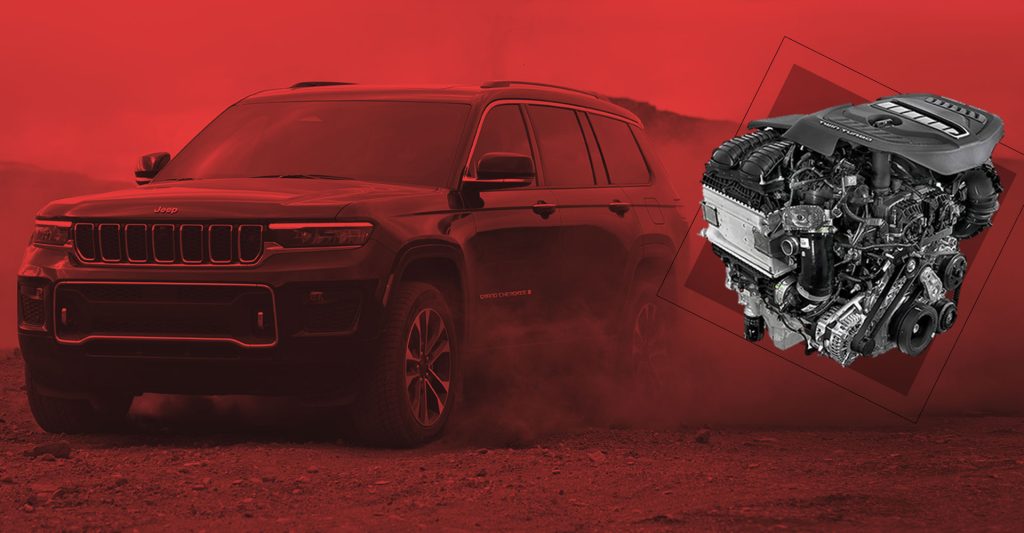
Twin-Turbo Technology for Next-Level Performance
The Hurricane twin-turbo I-6 engine features two low-inertia turbochargers, with one turbocharger dedicated to each set of three cylinders. This design delivers an instant throttle response, enhanced torque for towing, and remarkable fuel economy. Add to that high-pressure direct fuel injection and an engine-mounted water-to-air charge cooler, and you have an engine built to perform under any condition. Every Hurricane I-6 engine is paired with an eight-speed automatic transmission, ensuring a smooth and responsive driving experience.
Designed for Today, Prepared for Tomorrow
Beyond raw performance, the Hurricane I-6 engine was engineered with the future in mind. Stellantis designed it to integrate seamlessly with future electrification plans for low-emission vehicles (LEVs). This forward-thinking approach means the Hurricane I-6 engine isn’t just about power today; it’s about sustainability and adaptability for years to come.
A Name with History
The Hurricane I-6 engine pays homage to a classic Jeep motor while embracing a thoroughly modern mission. Its adaptability across multiple brands—including Ram and Dodge—underscores its versatility and wide-ranging appeal. Whether you’re cruising highways or hauling heavy loads, the Hurricane I-6 engine proves that you don’t need a gas-guzzling V-8 to get big power.
Final Thoughts: Why the Hurricane I-6 Engine Matters
The Hurricane I-6 engine represents a new era for Ram, Dodge, and Jeep vehicles. By delivering high performance with fewer emissions and better fuel economy, Stellantis has created an engine that meets modern demands without compromise. It’s proof that the future of automotive power doesn’t have to sacrifice efficiency or excitement. Head to Preston Chrysler Dodge Jeep Ram of Wilmington to shop our inventory today!
Get in Line
While the Hurricane twin-turbo I-6 engine is set to hit the market this year, it is unclear what the precise release date is. To keep tabs on updated release dates and other information regarding Stellantis’ new Hurricane engine, contact Preston CDJR of Wilmington. It is expected that Hurricane-equipped vehicles will sell fast, so don’t wait! Contact Preston CDJR of Wilmington today!
Dodge Charger Daytona EV

Get Ready for the Electrified Future of Dodge
For decades, the Dodge Charger has been synonymous with raw power, tire-smoking burnouts, and that unmistakable muscle-car growl. Now, Dodge is rewriting the script. Enter the Dodge Charger Daytona EV—a car that takes everything we love about classic American muscle and injects it with cutting-edge electric performance. This isn’t just another EV. It’s the world’s first all-electric muscle car, and it’s built to thrill. Let’s break down what makes it a true game-changer. Head to Preston Chrysler Dodge Jeep Ram of Wilmington to shop more of our EVs.
Powertrain and Performance
The 2026 Dodge Charger Daytona is built on Stellantis’s STLA Large EV platform and equipped with a robust 100.5 kWh lithium-ion battery. This power source drives a dual-motor, all-wheel-drive system available in two configurations:
Dodge Charger Daytona R/T Trim: Produces 456 horsepower, which can be increased to 496 horsepower with the Direct Connection Stage 1 upgrade.
Dodge Charger Daytona Scat Pack Trim: Generates 590 horsepower, with output rising to 670 horsepower when enhanced with the Stage 2 upgrade.
Both trims deliver exceptional torque, up to 627 lb.-ft.,providing immediate acceleration that rivals the performance of traditional V8 muscle cars.
The Sound of Muscle Reimagined
What’s a muscle car without that iconic roar? Dodge thought of that, too. The Fratzonic Chambered Exhaust pumps out a simulated growl through external speakers—loud, throaty, and undeniably Charger. Want to fly under the radar? Flip on Stealth Mode and enjoy a quiet, EV-like glide.
Range Meets Rage
Speed is great, but range matters too:
- Dodge Charger Daytona R/T: Up to 317 miles per charge.
- Dodge Charger Daytona Scat Pack: Around 260 miles per charge.
And with DC fast-charging, you can jump from 20–80% in under 30 minutes. Perfect for road trips, or quick pit stops before your next quarter-mile run.
Aerodynamics & Design
Dodge didn’t just electrify the engine; they reimagined the shape. The Dodge Charger Daytona’s R-Wing front aero pass-through creates extra downforce while keeping that menacing muscle stance. It’s functional, futuristic, and unapologetically bold.
The Future Is Bright (and Fast)
The Dodge Charger Daytona EV is here to prove a point: electric doesn’t mean boring. It means faster, smarter, and still loud enough to wake the neighbors. For muscle fans, it’s the best of both worlds—a new chapter in American performance history that keeps the Charger spirit alive, louder (and quieter) than ever.
Visit Us
Want to explore the latest Dodge lineup and stay informed about Dodge’s EV future? Visit Preston Chrysler Dodge Jeep Ram of Wilmington today. Our team will guide you through current muscle car offerings and help you stay ahead of upcoming 2026 Dodge Charger Daytona models and other electrified innovations.
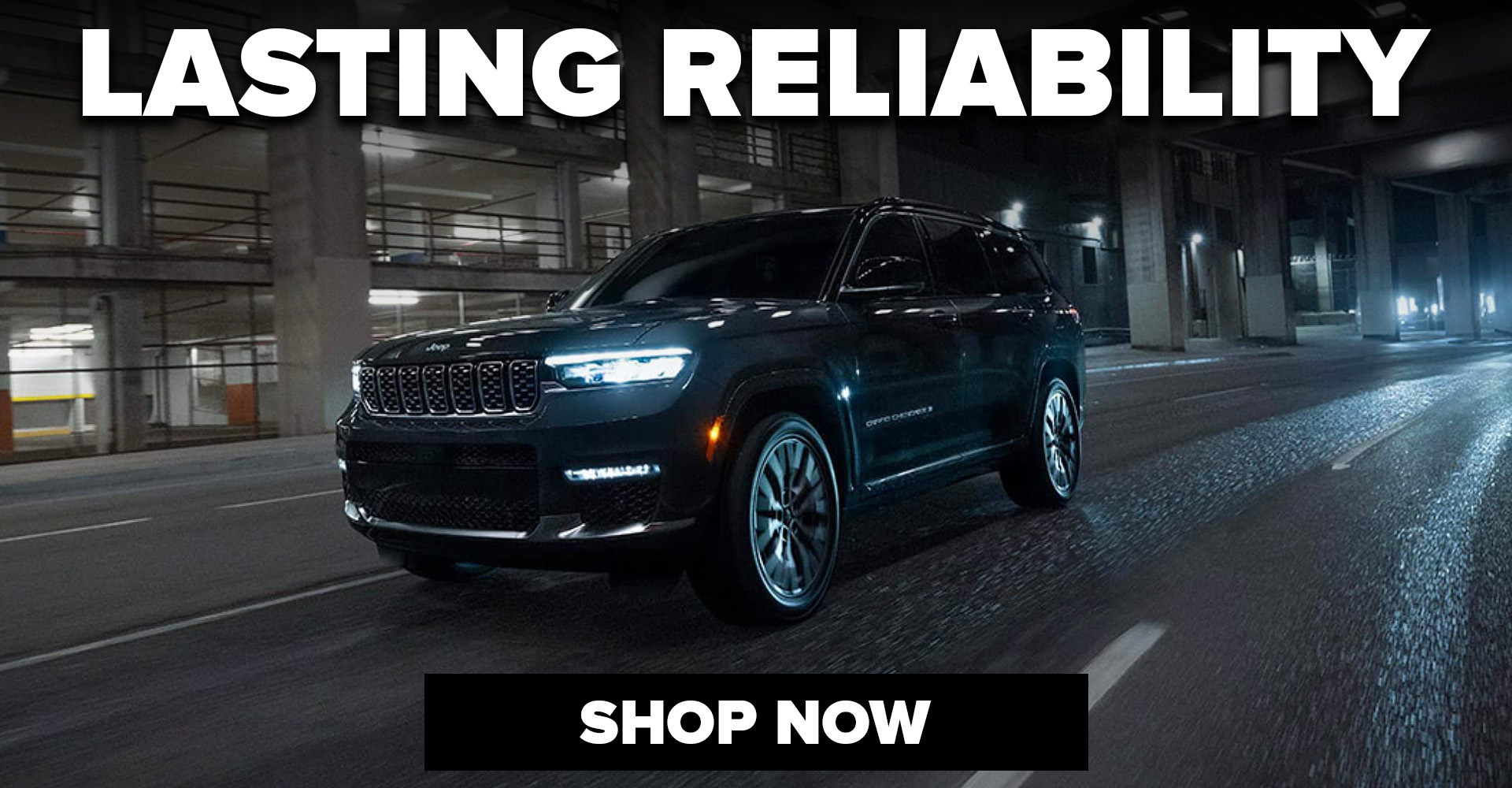
Discover the Best Year for the Jeep Grand Cherokee
If you’re looking to buy a Jeep Grand Cherokee, knowing which model years offer the most value and reliability can help guide your search. As a standout in the Jeep lineup, the Jeep Grand Cherokee has built a strong reputation for blending off-road capability and comfort, making it a key player in the competitive SUV market. Whether you’re considering a used vehicle or exploring new trims, Jeep Grand Cherokee reliability by year is an important factor to keep in mind. So, what is the best year for Jeep Grand Cherokee ownership? Join the team at Preston Chrysler Dodge Jeep Ram of Wilmington as we explore the top picks for performance, safety, and long-lasting dependability to help you find the right fit for your lifestyle.
What Is the Best Year for the Jeep Grand Cherokee?
The Jeep Grand Cherokee has long been praised for its balance of rugged capability and premium comfort. But not all model years are created equal. Based on expert rankings and owner feedback, a few years consistently rise to the top as the best Jeep Grand Cherokee years for reliability, value, and features:
- 2010 Jeep Grand Cherokee: A solid choice for budget-conscious buyers, this model year was the last of its generation and benefited from refined features and proven reliability.
- 2019 Jeep Grand Cherokee: Frequently named the most reliable Jeep Grand Cherokee year, this model combines high-tech safety systems, strong engine options, and excellent comfort ratings. It’s a go-to pick for used SUV shoppers.
- 2021 Jeep Grand Cherokee: This model year offers a great mix of updated tech, smooth ride quality, and a variety of trims to suit different driving needs. It’s also one of the best years for Jeep Grand Cherokee resale value.
- 2022 Jeep Grand Cherokee: With the debut of a new generation, the 2022 model introduced upgraded infotainment, revised styling, and improved fuel efficiency—making it a top pick for those who want more modern take on a classic SUV.
- 2025 Jeep Grand Cherokee: The latest model continues to refine the formula with enhanced driver-assist technologies, expanded hybrid options, and updated styling cues. It’s ideal for drivers who want the newest features and premium capability in a sophisticated package.
Jeep Grand Cherokee Reliability by Year
Reliability is key when choosing a vehicle built for adventure and daily driving alike. According to industry reports, these model years rank high in long-term dependability and owner satisfaction:
- 2017–2019: These models are part of a stretch known for mechanical consistency and lower-than-average repair costs. Many buyers report strong performance over time, especially in 4WD configurations.
- 2020–2021: These years built on the success of the previous generation with advanced driver assistance systems and upgraded tech, making them standout choices for modern reliability.
- 2025: Early impressions and reviews point to strong reliability projections thanks to refined powertrains and continued investment in quality control and safety systems.
Choosing the Best Year for Jeep Grand Cherokee
Still wondering what is the best year for Jeep Grand Cherokee SUVs? It depends on your priorities:
- For overall reliability and value: Go with the 2019 Jeep Grand Cherokee—widely recognized for its balance of performance, safety, and quality.
- For cutting-edge tech and modern design: Choose the 2022 or 2025 Jeep Grand Cherokee, both of which offer impressive upgrades and enhanced comfort.
- For affordability and capability: Consider the 2010 or 2017 models, both of which offer proven drivetrains and timeless Jeep versatility at a lower price point.
Test Drive a Jeep Grand Cherokee at Preston CDJR of Wilmington
Whether you’re drawn to the most reliable Jeep Grand Cherokee year or you’re curious about the newest features in recent models, the team at Preston Chrysler Dodge Jeep Ram of Wilmington is here to help. Explore the best Jeep Grand Cherokee years on our lot and take your favorite for a test drive today. We’ll help you compare models, evaluate reliability, and choose the Jeep Grand Cherokee built for your next journey.
Find your best year. Start your Jeep Grand Cherokee adventure at Preston CDJR of Wilmington today!
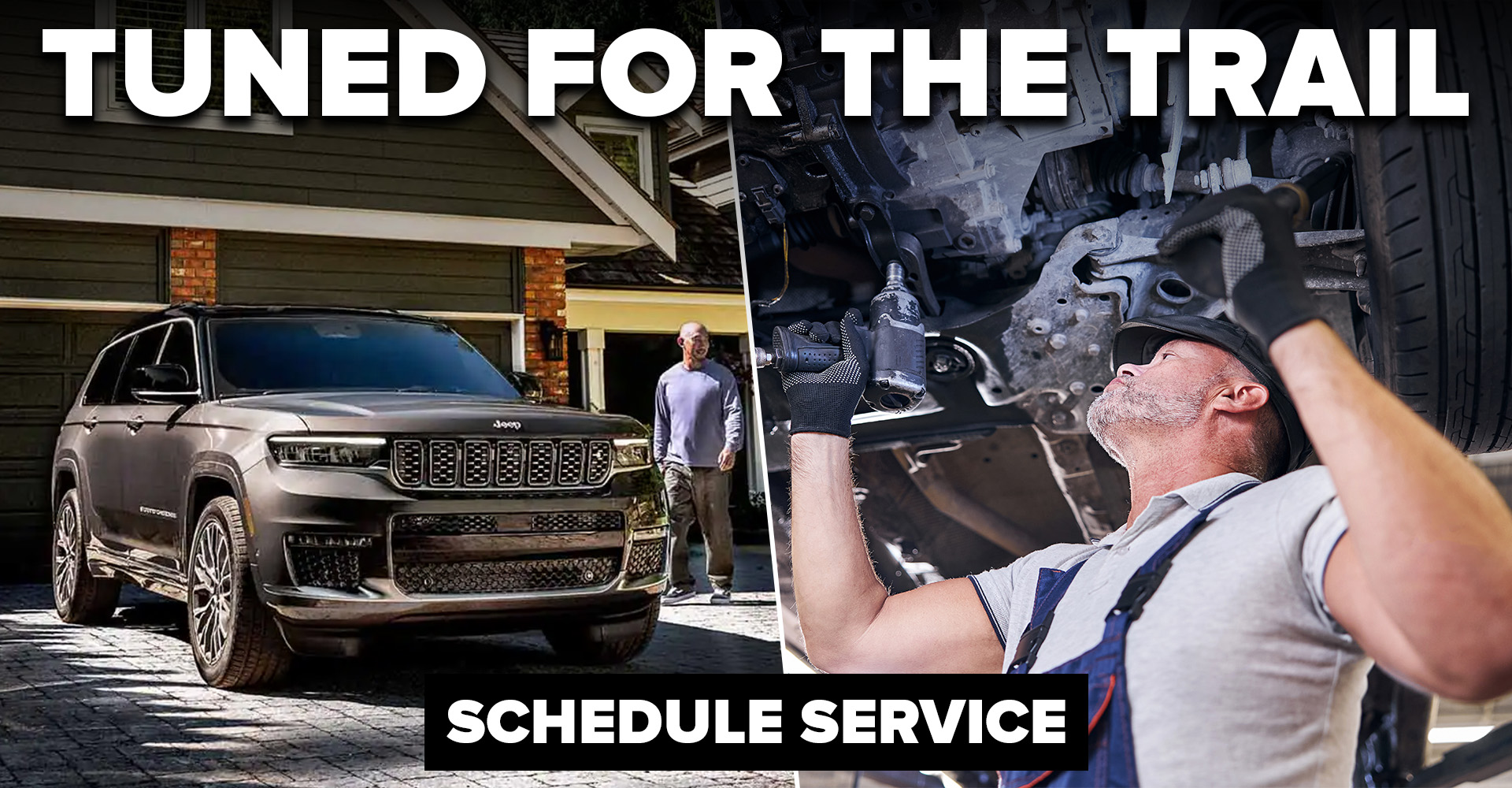
Mapping Out Your Jeep Grand Cherokee Maintenance Schedule
Are Jeep Grand Cherokees expensive to maintain? Owning a Jeep Grand Cherokee means investing in a vehicle built for adventure, durability, and performance. To ensure your Jeep continues to serve you well for years to come, it’s important to stay on top of regular maintenance. Understanding the costs, schedule, and procedures involved in keeping your Jeep Grand Cherokee in top shape can help you avoid unexpected expenses and preserve the value of your vehicle. In this blog, we’ll walk you through everything you need to know about maintenance on the Jeep Grand Cherokee, from Jeep Grand Cherokee maintenance cost to our exclusive Preston for Life perks program. Keep reading and schedule your next service appointment at Preston Chrysler Dodge Jeep Ram of Wilmington today!
Introduction to Vehicle Maintenance
Keeping your Jeep Grand Cherokee in top shape means more than just smooth rides—it’s about reliability, efficiency, and safety every time you hit the road. By understanding the ins and outs of maintenance costs, repair expenses, and routine upkeep, you can stay ahead of surprises and budget smarter. Regular maintenance doesn’t just help you avoid costly breakdowns—it also protects your investment and preserves your vehicle’s value over time. When your Jeep Grand Cherokee is well cared for, you’ll enjoy the legendary dependability Jeep is known for, along with the confidence to go wherever the road takes you.
Maintenance Routine for the Jeep Grand Cherokee
To keep your Jeep Grand Cherokee running smoothly, it’s essential to follow the manufacturer’s recommended maintenance schedule. This schedule includes key tasks such as oil changes, tire rotations, brake inspections, and fluid checks. Regular maintenance will help prevent premature wear on important parts like steering components, ball joints, and suspension. Keeping your Jeep Grand Cherokee running at its peak starts with one simple but crucial step: regular oil changes. Fresh, clean oil is the lifeblood of your engine, lubricating every moving part to prevent friction, overheating, and wear, so your engine performs smoothly and reliably. But it doesn’t stop there. Our expert team also checks and maintains other vital fluids like brake fluid, transmission fluid, and coolant to protect your vehicle from costly damage. Skipping these essential maintenance steps can lead to serious and expensive problems down the road. By sticking to the manufacturer’s recommended oil and fluids, you’re not just maintaining your Jeep; you’re extending its life and keeping it ready for every adventure ahead
Engine Oil and Fluids
Regularly scheduled oil changes are the most vital maintenance tasks for your Jeep Grand Cherokee. Fresh engine oil keeps all the moving parts well-lubricated, reducing friction, preventing overheating, and minimizing wear, ensuring your engine runs smoothly mile after mile. Beyond oil, our expert team also monitors and maintains other critical fluids like brake fluid, transmission fluid, and coolant. Overlooking these essential fluids can lead to costly engine or transmission damage. By using the manufacturer-recommended oil and fluids, you help safeguard your Jeep’s engine and components, extending their lifespan and keeping your ride dependable for years to come.
Filter Replacements and Checks
Filters play a critical role in keeping your Jeep Grand Cherokee running at its best. One of the most important is the engine air filter, which should be replaced regularly to ensure your engine gets the clean air it needs for efficient combustion. When the air filter becomes clogged or dirty, it can restrict airflow, leading to sluggish performance, lower fuel efficiency, and unnecessary strain on the engine. The cabin air filter helps to keep the air inside your vehicle fresh and free of allergens, making it essential to replace it regularly for a healthier driving environment. Just as important are your oil, fuel, and transmission filters—all of which should be inspected and replaced as needed. Staying on top of filter maintenance not only protects your engine from potential damage but also boosts fuel efficiency and helps you avoid more expensive repairs down the road.
Maintenance Costs and Budgeting
The cost of maintenance on a Jeep Grand Cherokee can vary depending on its age, condition, and your overall driving habits. Even though oil changes, tire rotations, and brake inspections don’t break the bank individually, they can add up as time goes on. More extensive repairs, such as transmission issues or suspension work, can be more expensive but are generally preventable with proper care and routine maintenance.
Budgeting for your Jeep Grand Cherokee maintenance costs is essential to avoid unexpected expenses. Staying ahead of maintenance tasks not only helps avoid more significant repair bills but also plays a role in the overall performance and resale value of your Jeep Grand Cherokee.
How Much Is a Tune Up for a Jeep Grand Cherokee?
The cost of a tune-up for Jeep Grand Cherokee maintenance can vary depending on several factors, including the model year, the type of service required, and your location.
Preston For Life
At Preston Chrysler Dodge Jeep Ram of Wilmington, loyalty isn’t just appreciated—it’s rewarded. We’re here to make your ownership experience effortless, exciting, and full of value. That’s why we offer the exclusive Preston For Life membership program, designed to elevate every mile you drive. Enjoy VIP treatment with a range of benefits, from service discounts and complimentary checkups to premium perks that keep your vehicle—and your peace of mind—running strong. Our program includes three flexible tiers—Gold, VIP, and Diamond—so you can choose the level that matches your lifestyle. Start with Gold and unlock essentials like a Lifetime Engine Guarantee and pre-vacation vehicle checkups. Step up to VIP or Diamond and take advantage of even more, like early access to exclusive promotions and events. When you purchase your Jeep Grand Cherokee from Preston CDJR of Wilmington, you’re not just buying a car—you’re joining a community that puts your needs first, for life. Let us help you keep your Jeep Grand Cherokee performing at its best, with the care and attention you deserve.
Ready to Keep Your Jeep Grand Cherokee in Top Shape?
Proper maintenance on the Jeep Grand Cherokee is essential for keeping your vehicle running smoothly, maintaining its performance, and avoiding expensive repairs. By following the manufacturer’s maintenance schedule, keeping up with fluid changes, replacing filters, and budgeting for regular service, you can keep your Jeep Grand Cherokee in top shape for years to come. If you’re looking for a trusted partner to help you with your Jeep Grand Cherokee’s maintenance needs, schedule your service appointment at Preston Chrysler Dodge Jeep Ram of Wilmington. Contact us today or visit our dealership to learn more about our services and how we can help you maintain your vehicle at its best.
Jeep Grand Cherokee Limited vs. Jeep Grand Cherokee Altitude: Which Trim Is Best For You?
Explore the Differences Between the Jeep Grand Cherokee Limited and Altitude
When it comes to choosing the perfect Jeep Grand Cherokee at Preston Chrysler Dodge Jeep Ram of Wilmington, understanding the differences between Limited and Altitude trim levels is essential. Whether you’re drawn to bold styling and off-road capability or prefer refined luxury and high-tech convenience, both the Jeep Grand Cherokee Altitude vs. Limited offer distinct advantages. Let’s break down the key differences to help you decide which model suits your lifestyle and driving preferences.
Choosing Your Jeep Grand Cherokee: Altitude vs. Limited
Among the many trims available, the Jeep Grand Cherokee Altitude vs. Limited comparison stands out for shoppers seeking premium features, performance, and modern technology. Each trim brings something unique to the table:
- Jeep Grand Cherokee Altitude: Stylish, performance-oriented, and built for adventure.
- Jeep Grand Cherokee Limited: Luxurious, tech-forward, and refined for everyday comfort.
Jeep Grand Cherokee Altitude Features
The Jeep Grand Cherokee Altitude is designed for those who love a bold appearance paired with rugged functionality. It features gloss-black exterior accents that give the vehicle a distinctive, sporty look, complete with black badging and grille elements. Complementing this aggressive styling are 18-in. x 8.0-in. gloss-black aluminum wheels, which contribute to its powerful stance on the road. Convenience meets smart design with rain-sensitive windshield wipers and power mirrors, enhancing visibility and ease of use. Inside, heated front seats provide comfort during colder drives, while the Uconnect® 5 system with an 8.4-inch touchscreen display ensures seamless access to navigation, entertainment, and smartphone integration. For those who enjoy open-air driving, a single-pane sunroof is available as an option. Under the hood, the Quadra-Trac II® 4WD system delivers exceptional off-road performance, paired with Drowsy Driver Detection for added safety. A power liftgate adds practicality, making loading and unloading cargo easier. With its sporty design and adventure-enhancing features, the Jeep Grand Cherokee Altitude is ideal for drivers who want a stylish, off-road capable SUV.
Overview of Jeep Grand Cherokee Limited
The Jeep Grand Cherokee Limited focuses on premium comfort, advanced safety, and an elevated driving experience. Its exterior features 18-inch x 8.0-in. polished/painted aluminum wheels, offering a refined and upscale look. Inside, the Capri leatherette/Axis II seating provides premium materials for a more luxurious feel. Both front and second-row seats are heated, ensuring comfort for all passengers. A dual-pane panoramic sunroof brings in natural light and allows for open-air driving, perfect for scenic routes. The Jeep Grand Cherokee Limited also includes the Uconnect® 5 NAV system with a 10.1-inch touchscreen display, delivering an intuitive and high-resolution interface for all your infotainment needs. Safety is top of mind with features like Adaptive Cruise Control and the ParkView® rear backup camera, offering added confidence on the road. For a smooth and adaptable driving experience, the Quadra-Lift® air suspension system adjusts ride height based on terrain. Completing the package, a 6-speaker premium audio system provides immersive sound for every journey. The Jeep Grand Cherokee Limited trim is ideal for drivers seeking luxury and sophistication without compromising on performance or capability.
Luxury and Capability Combined
Both the Jeep Grand Cherokee Altitude and Limited offer a blend of luxury, tech, and capability:
- Towing & Performance: Both trims offer strong engines and capable towing capacity.
- Comfort: Heated seats are standard on both, while the Limited adds luxury finishes and additional tech.
- Adventure Ready: Altitude’s Quadra-Trac II system and rugged design appeal to outdoor explorers, while Limited’s air suspension ensures a plush ride.
No matter your lifestyle—off-road adventures, highway cruising, or family hauling—either trim provides the comfort, capability, and features that Jeep is known for.
Performance and Technology
Both trims deliver high-performance capabilities paired with modern technology:
- Safety Features: Adaptive Cruise Control, Blind Spot Monitoring, and Drowsy Driver Detection.
- Connectivity: Apple CarPlay®, Android Auto™, and Uconnect® interfaces keep you connected.
- Suspension Options: The Jeep Grand Cherokee Altitude emphasizes trail-readiness, while the Limited smooths the ride with an adaptive air suspension.
Which Should You Choose: Jeep Grand Cherokee Altitude vs. Limited?
If you’re still deciding between the Jeep Grand Cherokee Altitude vs. Limited, consider the following:
- Choose the Jeep Grand Cherokee Altitude if you want bold style, rugged capability, and adventure-focused features at a competitive price.
- Choose the Jeep Grand Cherokee Limited if you prioritize luxury, enhanced comfort, and more advanced technology for everyday driving.
Test Drive the Jeep Grand Cherokee at Preston CDJR of Wilmington
The best way to find your perfect Jeep Grand Cherokee? Experience both the Jeep Grand Cherokee Limited vs. Altitude in person. Visit Preston Chrysler Dodge Jeep Ram of Wilmington today for a test drive and discover which trim aligns with your lifestyle. Ready to elevate your journey? Explore the differences between the Jeep Grand Cherokee Altitude vs. Limited, and find the Jeep Grand Cherokee that’s built for your road ahead.
Connect with us


- March 2026
- February 2026
- January 2026
- August 2025
- July 2025
- May 2025
- March 2025
- February 2025
- January 2025
- December 2024
- October 2024
- August 2024
- July 2024
- June 2024
- May 2024
- March 2024
- December 2023
- October 2023
- July 2023
- June 2023
- May 2023
- March 2023
- February 2023
- December 2022
- October 2022
- September 2022
- August 2022
- July 2022
- June 2022
- April 2022
- March 2022
Archives
- Electric Wagoneer
- Electrified New Dodge
- Electrified New Jeep
- Electrified New Jeep
- Electrified New Jeeps
- Hybrids
- Preston Chrysler Dodge Jeep Ram of Wilmington Service
- Uncategorized
- Wilmington Chrysler Dealer
- Wilmington Chrysler Service
- Wilmington Jeep Dealer
- Wilmington Ram Dealer
- Wilmington Used Cars