






Do Hybrids Really Save Money? Cutting Through the Hype
With gas prices constantly fluctuating, many drivers are wondering: Do hybrids really save money? The answer is a resounding yes, but the benefits extend far beyond just filling up at the pump. When comparing the costs and benefits of hybrids and electric vehicles, it’s clear that both options offer potential long-term savings, tax credits, and purchase incentives. Here at Preston Chrysler Dodge Jeep Ram of Wilmington, we’re here to break down the hype and show you how a hybrid car can be a smart financial decision for your next vehicle. Keep cruising along to learn more about how hybrids save you money, and shop our selection!

Hybrid Vehicle Costs: More Than Meets the Eye
Before we tackle the question: Do hybrids really save money? Let’s address the upfront elephant in the room: hybrid vehicles cost more initially than their gas counterparts. Let’s face it, the initial price tag of a hybrid car can be a hurdle. While a traditional gasoline-powered car might seem like the more affordable option upfront, here’s a deeper look at the breakdown of costs associated with hybrids and why they can be a smart financial decision in the long run. Hybrid vehicles typically carry a premium compared to gas vehicles. The average hybrid car costs roughly $1,300 more, and SUVs can be $2,969 more expensive. This price difference reflects the additional technology packed into hybrids, such as the electric motor, battery pack, and regenerative braking system. These components work together to deliver superior fuel efficiency, but they do add to the initial investment. Although, when comparing hybrid models, it’s important to consider their resale value, initial investment, and potential savings on fuel costs over time.
Fuel Economy: How Much Money Does A Hybrid Save On Gas?
The true magic of hybrids lies in their fuel efficiency and fuel savings. Hybrids achieve a remarkable 20-35% better gas mileage than conventional gas cars, with some models boasting a staggering combined 50 MPG. This translates to significant savings at the gas station – some hybrid drivers can even travel up to 315 miles on a single charge. Imagine the financial freedom of fewer trips to the pump!
Long-Term Savings: A Wise Investment for the Future
Even if gas prices are currently lower, history shows they’re bound to rise again as we reach global peak oil supplies. When considering long-term savings, comparing a hybrid or electric car can provide valuable insights. By investing in a fuel-efficient hybrid, you’re essentially hedging against future gas price hikes. The superior mileage of a hybrid will likely translate into substantial real-dollar savings over the lifetime of your car.
Boosting Your Wallet with Incentives
Owning a hybrid isn’t just good for the environment – it’s good for your bank account thanks to a variety of incentives. New hybrid purchases can qualify for federal tax credits ranging from $250 to a significant $3,400, putting a nice chunk of change back in your pocket. Additionally, the federal Plug-In Electric Vehicle Credit offers even greater savings of $2,500 to $7,500 for plug-in hybrids. But the benefits don’t stop there. Many states and cities offer their own incentives for hybrid drivers, including tax breaks and the convenience of using HOV lanes for single-occupancy vehicles. State and city incentives also extend to plug-in hybrid vehicles, providing additional financial benefits and perks.
Maintenance and Repair: Less is More
Do hybrids really save money when it comes to maintenance? Contrary to popular belief, hybrid vehicles don’t require special or expensive maintenance. However, the maintenance and replacement costs of hybrid batteries can be higher compared to standard car batteries, and finding specialist mechanics might be more challenging. In fact, hybrid owners can expect maintenance costs similar to those of traditional gasoline-powered cars. The regenerative braking technology used in hybrids actually extends the life of your brake pads, meaning fewer replacements and additional savings. Additionally, hybrids often come with a standard warranty alongside a dedicated warranty for the hybrid technology, giving you peace of mind.
Resale Value: A Hybrid that Keeps on Giving
Now that we’ve answered the question: How much money do you save with a hybrid? We can now address the resale value of them. Hybrid owners are pleasantly surprised to discover that their cars retain their value better than non-hybrid versions of the same model. Pure electric vehicles also tend to have strong resale values, often comparable to hybrids, due to similar demand for eco-friendly options. This is due to the increasing demand for fuel-efficient vehicles and the overall quality and technology built into hybrids. So, when it’s time to trade in your hybrid, you can expect a higher return on your investment.
Busting Hybrid Myths: Fact from Fiction
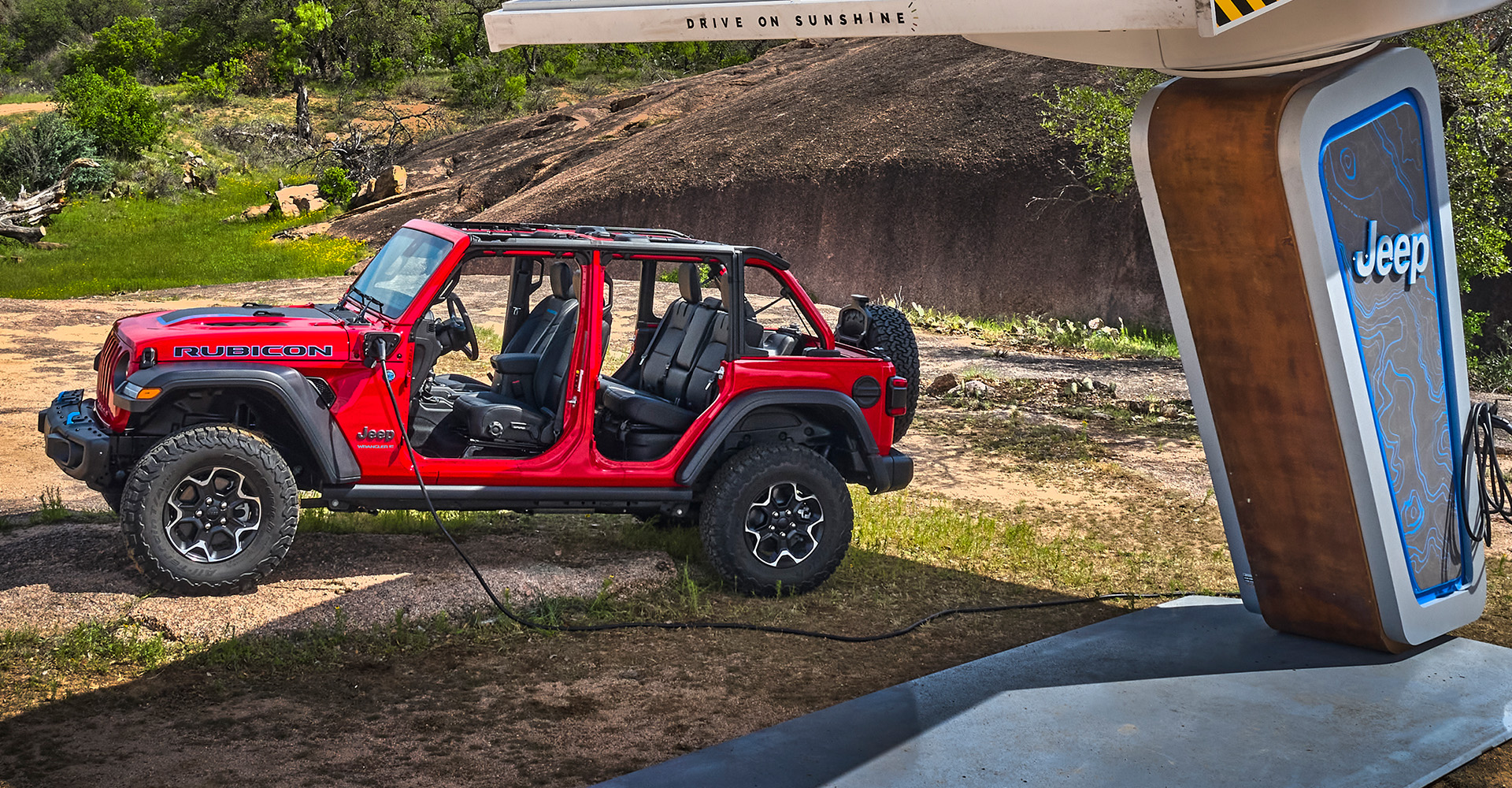
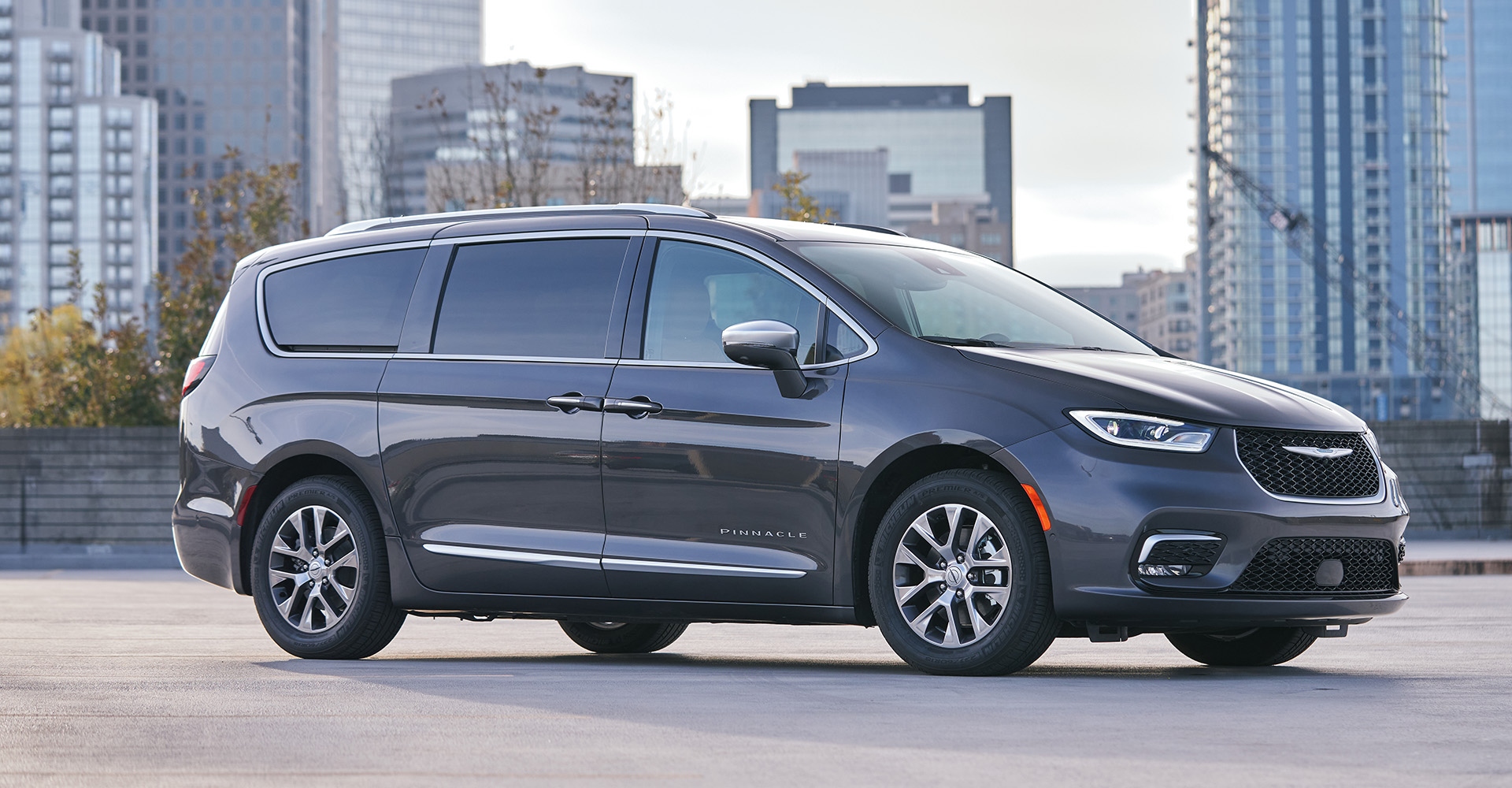
Hybrid ownership offers more than just economic perks. It also gives you the satisfaction of reducing your carbon footprint and contributing to a cleaner, more sustainable future. So, don’t let misconceptions hold you back! Hybrid cars such as the Chrysler Pacifica PHEV and the Jeep Wrangler 4xe are fantastic models to look at if you wish to save money, drive responsibly, and enjoy a smooth, eco-friendly ride.
The Road to Savings Starts Here
Still wondering if hybrids really save money? At Preston Chrysler Dodge Jeep Ram of Wilmington, we’re passionate about helping you find the perfect car for your needs and budget. Our knowledgeable staff can answer all your questions and guide you through the exciting world of hybrid vehicles. We have a wide selection of new and pre-owned hybrids for you to explore. So, visit us today and discover how a hybrid car can put you on the path to financial freedom and a greener tomorrow!
Connect with us


- March 2026
- February 2026
- January 2026
- August 2025
- July 2025
- May 2025
- March 2025
- February 2025
- January 2025
- December 2024
- October 2024
- August 2024
- July 2024
- June 2024
- May 2024
- March 2024
- December 2023
- October 2023
- July 2023
- June 2023
- May 2023
- March 2023
- February 2023
- December 2022
- October 2022
- September 2022
- August 2022
- July 2022
- June 2022
- April 2022
- March 2022
Archives
- Electric Wagoneer
- Electrified New Dodge
- Electrified New Jeep
- Electrified New Jeep
- Electrified New Jeeps
- Hybrids
- Preston Chrysler Dodge Jeep Ram of Wilmington Service
- Uncategorized
- Wilmington Chrysler Dealer
- Wilmington Chrysler Service
- Wilmington Jeep Dealer
- Wilmington Ram Dealer
- Wilmington Used Cars